AI Medical Receptionist: Safe Uses and Hard Limits
Short answer
An AI medical receptionist can book and move appointments, take prescription refill and referral requests and answer practical questions. It must not give medical advice, and it has to route callers with warning signs to staff or emergency services immediately. US practices need a business associate agreement under HIPAA; EU and UK practices need GDPR safeguards for health data.
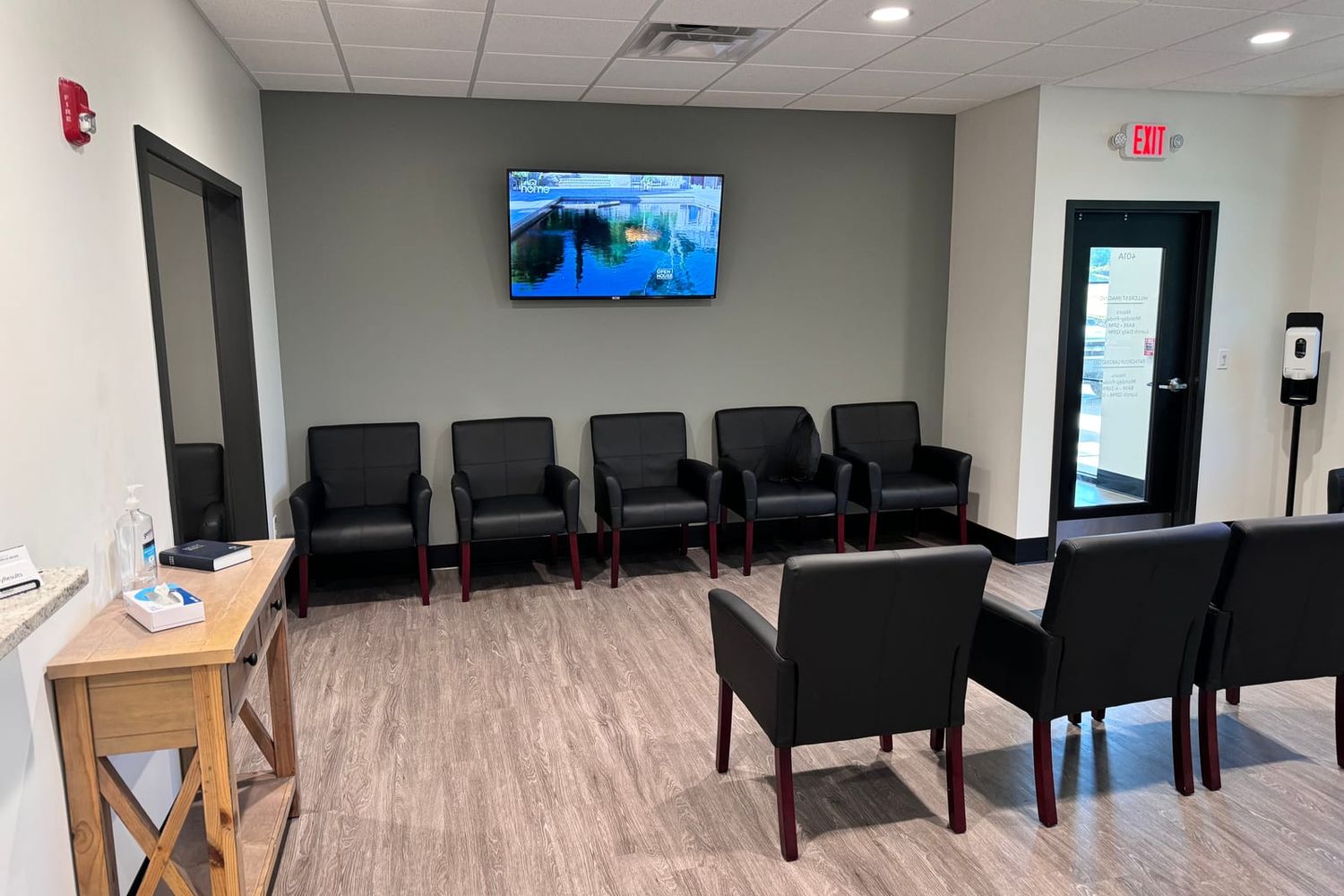
Monday, 8 am. The practice opens and in the first ten minutes more people try to get through than there are hands to answer. Those who fail call again, and again, or turn up at the front desk without an appointment. England’s NHS named this the “8am rush” in its 2023 plan for recovering access to primary care. German data points the same way: 44 percent of insured people told a 2024 survey by the national association of health insurers that they were unhappy with how reachable practices are by phone.
AI receptionists promise to absorb exactly that peak. They can, as long as it’s crystal clear what the machine handles and where it hands over to a human without hesitation.
Which calls the AI can take
Much of what reaches a family practice or clinic by phone is pure logistics. That’s where the technology is strong:
- booking or moving appointments into open slots
- taking repeat prescription requests for known medication
- noting referral requests
- giving opening hours and cover arrangements
- taking callback requests with reason and availability
- recording requests for a sick note and passing them to a clinician
Integration makes the difference. Without a connection to the practice management system or online calendar, the AI is a smarter voicemail that writes notes. With one, it books the slot and texts a confirmation. The mechanics are explained in how an AI receptionist works.
The hard line: emergencies and symptoms
Sooner or later someone with chest pain calls and asks for “just an appointment”. The configuration has to handle that before the first real call comes in.
- Spot the signalIf the caller mentions chest pain, difficulty breathing, sudden weakness on one side, unconsciousness or heavy bleeding, the normal flow stops.
- Point to emergency servicesFor life-threatening symptoms: a clear instruction to call 911, 999 or 112, depending on the country.
- Urgent but not life-threateningOut of hours: refer to the local urgent care line, such as NHS 111 in England or 116117 in Germany.
- During opening hoursTransfer straight to the practice team, no queue.
- Log itMessage with time, number and what the caller said goes to the practice.
The mindset matters. The AI should not judge whether a symptom is dangerous. It should leave normal mode whenever certain words come up and hand over. Ten false alarms beat one missed heart attack.
That ties into a regulatory question. Software that weighs symptoms to set urgency, or suggests treatment, can have a medical purpose and fall under medical device rules: the EU Medical Device Regulation (EU) 2017/745, the UK medical device regime or FDA oversight in the US. Pure admin tools that book appointments and rigidly forward on trigger words generally fall outside. The line is blurry, so ask the vendor in writing whether the product is certified as a medical device or explicitly makes no clinical assessment.
Privacy: health data from the first second
“I need an appointment about my knee” is already health data. So is the fact that someone is a patient at a particular practice. Different jurisdictions handle that differently, but all of them take it seriously.
| Criterion | United States | EU and UK |
|---|---|---|
| Core law | HIPAA Privacy and Security Rules | GDPR or UK GDPR, Article 9 for health data |
| Contract with the vendor | Business associate agreement | Data processing agreement (Article 28) |
| Professional secrecy | State law and medical ethics rules | National confidentiality law, e.g. § 203 StGB in Germany |
| Risk assessment | HIPAA security risk analysis | Data protection impact assessment likely (Article 35) |
| Telling callers it's AI | Good practice; check state rules | Required in the EU since 2 Aug 2026 (AI Act Article 50) |
Under HIPAA, a vendor that handles protected health information on your behalf is a business associate, and the HHS guidance on business associates makes a written agreement mandatory. Under the GDPR, the practice is controller and the vendor processor; on top come national confidentiality rules that in some countries make it a criminal offence for the doctor to share patient secrets with a provider who hasn’t been bound to secrecy.
Whatever the jurisdiction, the practical checklist looks similar: know where audio and transcripts are processed, switch off audio storage unless you have consent, set short retention for transcripts, and make sure there’s always a way to reach a person. The GDPR side is covered in detail in AI receptionists and the GDPR.
Identity: who is actually calling?
On a phone call nobody knows for sure who’s on the line. For booking that hardly matters. It does once the AI gives information out: confirming existing appointments, saying whether a prescription is ready, let alone reading out results.
One simple rule works well. The AI takes everything in, but only gives out information the caller already knows or that is harmless. Whether a prescription is ready can go by text to the number on file instead of being said on the call. Result requests become callbacks for staff.
Rolling it out with staff and patients
Setting up the technology takes an afternoon. The change takes longer. Three things help.
Tell patients in advance. Put up a notice at the front desk and add a line to the website and the recorded greeting. People who know an AI will answer are less thrown and state their request more directly.
Treat the first two weeks as a pilot. Someone on the team reads the messages and transcripts every evening, flags mistakes and adjusts the instructions. Typical issues are misspelled names, drug names the speech recognition doesn’t know, and questions the knowledge base can’t answer.
Use the languages. Many practices have patients who struggle with English or the local language on the phone. An assistant that can switch to Spanish or Polish can be a real relief for them, provided the message for the team still arrives in the practice’s language. Test with native speakers before announcing it.
What it costs
Take a practice with 800 calls a month at two minutes each: that’s 1,600 minutes. On developer platforms that’s roughly $130 to $210 in usage; packaged services in Germany charge €288 to €800 for the same volume. HIPAA support can add a fixed monthly fee, and integration with practice software often costs extra. The breakdown is in AI receptionist pricing.
My take
For practices with lots of routine calls, AI on the phone is worth it. The split that works: AI handles logistics, especially in the morning peak and out of hours. Anything involving symptoms or a worried caller goes to people. Reverse that, and let the AI sort symptoms, and you take on liability and regulatory questions no per-minute saving can justify.
Practices that need the AI to write directly into their own clinical or scheduling software often outgrow off-the-shelf products. That calls for a custom integration of the kind OnlineBuilders builds for AI assistants.
Start with a count. For one week, have the team tally every call by type: appointments, prescriptions and referrals on one side, results and symptoms on the other. The share on the first side tells you fairly precisely how much work an AI can realistically take off the desk.
Questions people ask
Is an AI receptionist HIPAA compliant out of the box?
No product is compliant by itself; your use of it has to be. The vendor must sign a business associate agreement and support the required safeguards. Some platforms charge for this: Vapi, for example, lists HIPAA compliance as a $2,000 monthly add-on.
Can patients get test results through the AI?
It's better not to. Identity is hard to verify on a phone call, and a result without a clinician's explanation can alarm patients. Route result requests to staff as a callback.
Does an AI receptionist count as a medical device?
Pure scheduling and admin tools generally don't. Once software assesses symptoms to decide urgency or suggests what to do, it can fall under medical device rules such as the EU MDR, UK MDR or FDA oversight. Ask the vendor in writing how the product is classified.
How do older patients cope with AI on the phone?
Reactions vary. Most manage well if the voice is slow and clear and there's always a way to reach a person. That escape route should exist in every configuration.