Virtual Mailbox for Business: How It Works and Risks
Short answer
A virtual mailbox receives your business post at a staffed address, scans the envelope, opens and scans the contents on request and shows everything in an app. In the US the provider is a Commercial Mail Receiving Agency and you must file USPS Form 1583 with two IDs. Pricing is usually a monthly fee with included items plus a charge per extra letter.
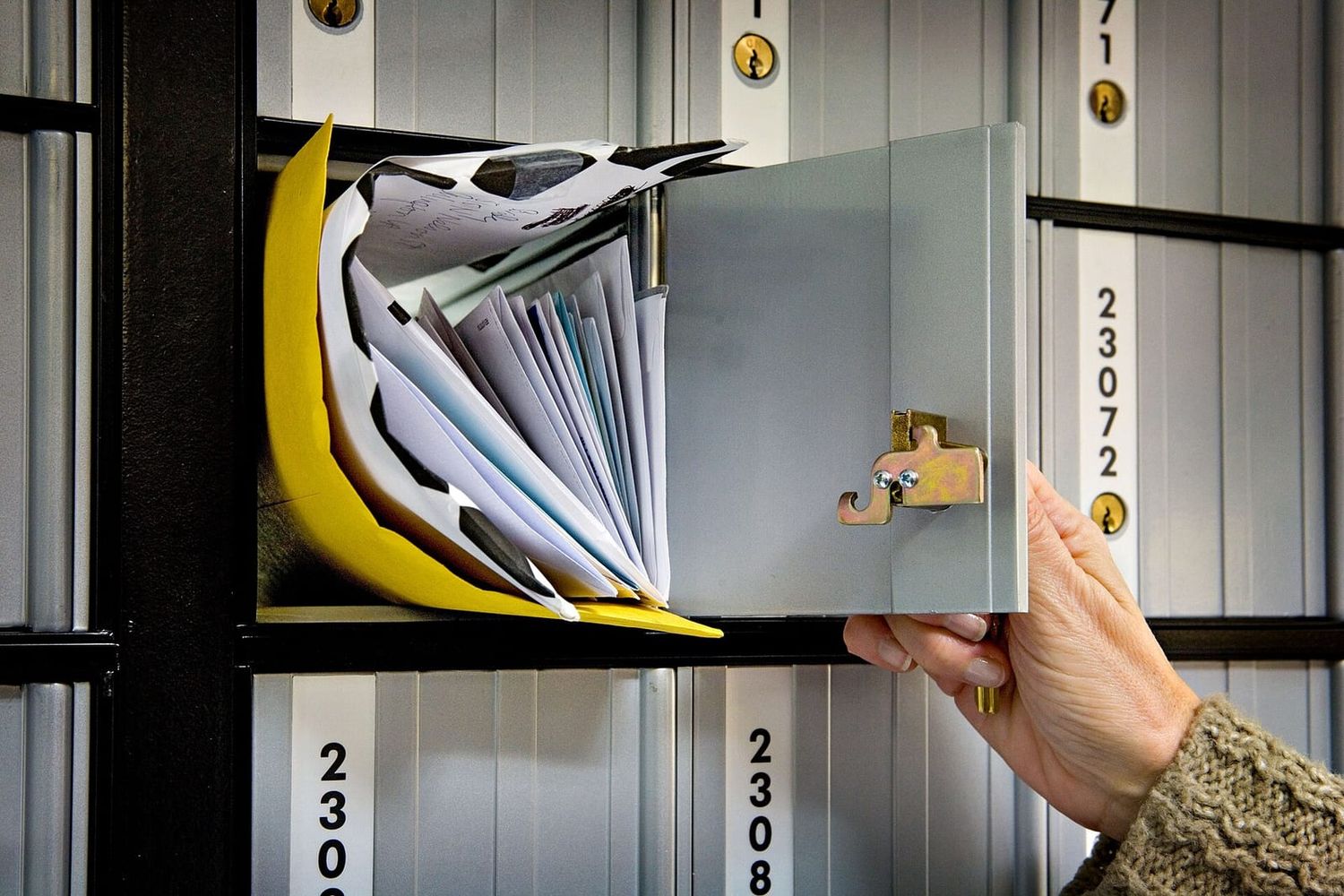
If you live abroad, travel constantly or run a business without a fixed office, you know the problem. The post that matters still comes on paper. Tax notices, final demands, court papers, contract terminations. And it lands in a mailbox you can’t check right now.
Virtual mailboxes solve that by opening your post for you and putting it on a screen. That’s convenient. It also moves a few risks around, and they’re worth thinking about before you sign up.
How a virtual mailbox works
The process is similar everywhere:
- RedirectPost goes to the provider's address, either as your new mailing address or via mail forwarding.
- Envelope scanYou see the outside first and decide what happens next.
- Open and scanThe contents are scanned, usually with text recognition, and appear in the app.
- The originalStored, shredded or forwarded, depending on your instruction.
- OnwardPDF into your document system, to your bookkeeper or to your virtual assistant.
Some services let you set everything to open automatically. Others ask envelope by envelope. Junk mail only needs the envelope scan before it’s shredded.
US setup: Form 1583 and the CMRA rules
In the US, a business that receives mail on behalf of others is a Commercial Mail Receiving Agency, or CMRA. Before it can accept your post, you have to complete USPS PS Form 1583, the application for delivery of mail through an agent.
The June 2024 version of the form sets out a few rules that surprise people:
- Two forms of identification are required. One must be a government-issued photo ID, the second must confirm the address you list.
- The same driver’s licence can’t serve as both the photo ID and the address ID.
- You must sign in the physical or virtual presence of the CMRA agent or a notary public, with virtual meaning real-time audio and video.
- For business use, an officer of the company signs and gives their title.
- When the relationship ends, neither you nor the provider may file a change of address with the Postal Service. Forwarding after that is the provider’s and your responsibility.
The last point matters if you switch providers. Plan the move so that old correspondents get your new address well before you cancel.
UK and EU differences
Mail-handling services are common in the UK, but a company’s registered office is a separate question. Since 4 March 2024, under the Economic Crime and Corporate Transparency Act, it has to be an appropriate address where documents will come to someone’s attention and their delivery can be acknowledged. A PO box doesn’t qualify. Some providers offer registered office services that meet the rule; others only handle post.
Many German businesses keep their own address and use the Deutsche Post forwarding service to route mail to a scanning provider. For business customers it costs €51.90 online for six months and then has to be renewed.
What it costs
Pricing structures are similar across markets: a monthly fee with a number of included letters, then a price per extra item, with extras for forwarding originals or storing packages. One German provider publishes these net prices (October 2026):
Source: Dropscan price page, checked 19 October 2026
At around 60 letters a month that larger plan comes to €56.90 net, plus forwarding if you use it. Shredding was free with that provider. US services price in dollars and often bundle the street address into the plan, so compare the per-letter rate and what happens to originals rather than the headline fee.
Deadlines: the part nobody mentions
This is the real risk. Many legal deadlines start when a document is served or deemed received, not when you read it.
Court papers are the obvious case. Defendants in US federal court generally have 21 days after service to answer a complaint. Across England and Wales, a defendant has 14 days after service of the particulars of claim to respond. Tax authorities also put response deadlines on their notices. If that letter sits in an app you check once a fortnight, half the time is gone before you know it exists.
Three rules follow:
- turn on push notifications from the app, not just email
- check the inbox daily, even briefly on holiday
- agree with the provider that anything from a court or tax authority is flagged or sent to you immediately
If you work with a virtual secretary, daily review can be their job, with clear rules on what goes straight to you.
Can you shred the originals?
For tax records, usually yes, as long as the scan is complete, legible and kept for the full retention period. The IRS has long accepted electronic storage systems for books and records under Revenue Procedure 97-22. HMRC in the UK requires companies to keep records for six years from the end of the last company financial year they relate to, and digital copies are acceptable if they’re clear and complete.
Contract law is a different matter. A scan proves what a document said; it doesn’t always prove that the signature on it is genuine, and in a dispute the other side may insist on seeing the paper. Agreements or deeds where the original might matter in a dispute are worth having posted back. It costs postage and can save a fight about evidence later.
Privacy and confidentiality
The provider reads your post, which contains data about customers and staff. If you’re in the EU or UK, they are your processor and you need a processing agreement under Article 28 GDPR. Reputable providers include one at sign-up.
Law firms and medical practices have additional confidentiality duties that apply to post just as much as to phone calls, covered in legal answering services.
Next step
A virtual mailbox works best alongside other pieces of remote office organisation: an online booking system for appointments, an answering service for calls, a digital archive for everything that arrives. If you want incoming PDFs read automatically and passed into your accounts or CRM, that’s the kind of pipeline a studio can set up with data analytics and automation tooling.
Before choosing a provider, ask how long they keep originals before shredding and whether you can change that per sender. Then count your letters for a month and note how many carry a deadline. That tells you which plan fits and how strict your daily review needs to be.
Questions people ask
Can I use a virtual mailbox as my registered office in the UK?
Since 4 March 2024, a UK company's registered office has to be an appropriate address, where documents can be delivered and acknowledged, and a PO box doesn't qualify. Some mail-handling services offer addresses that meet the rule; check the provider's terms before you file it with Companies House.
Is a virtual mailbox the same as a registered agent?
No. In the US, a registered agent accepts legal process such as lawsuits on behalf of your company in a given state. Some virtual mailbox providers sell both, but they're separate services with separate obligations.
Can the provider receive packages too?
Most can, often with extra fees for storage and forwarding. Deliveries from couriers other than the national post usually need the street address and suite or PMB number to be correct.
Do I need to keep the paper originals?
For tax purposes, scanned records are generally acceptable in the US and UK if they're legible, complete and kept for the required period. Contracts, deeds or anything where an original signature may matter in a dispute are worth having shipped back.